Things to see in
Vall d’Alba
A gift of land
The weather in Vall d’Alba invites visitors to stroll through its history, monuments, geography, get to know its people in harmony with nature, enjoy its folk culture, and walk along its trails through different natural environments.
Cultural heritage
RELIGIOUS BUILDINGS
Sant Joan Baptista Church
Built in 1902 in honour of Saint John the Baptist and the Immaculate Conception, it now has new wooden altarpieces, added to coincide with the church’s centenary. The project included the installation of a main altarpiece composed of three parts: the main one, in addition to housing the three existing images in the parish, is made up of a total of eight Calvary carvings in high relief. On either side, the work includes six altarpieces of the Stations of the Cross, all made of hand-carved cedar wood.
Assumpció Church (La Pelejaneta)
This was built when Vall d’Alba was separated from the municipality of Vilafamés in 1925.
Nostra Senyora dels Àngels Church (La Barona)
There was already a hermitage-chapel in the 17th century (1688), which later, in the 20th century (1921), was extended to meet the town’s new needs. It was extended again in 1976 in the form it can be seen in today. The parish church of Nostra Senyora dels Àngels, built in the village of La Barona, now part of the municipality of Vall d’Alba, dates back to 1959, and was built on the remains of previous churches. Noteworthy features are an archive listed in the Census-Guide to the Archives of Spain and Latin America and the 18th-century canvas of the seated Virgin with Child and Angels, which is kept inside.
Sant Cristòfol Chapel
The recently-built chapel of Sant Cristòfol is a perfect place to spend the day. It is located in a place of great ecological beauty and offers spectacular views of the municipality. It also has a paella-making area, a children’s playground, a swimming pool and L’Ermita hotel and restaurant. There is a beautiful tradition that unites the local people, which all visitors are welcome to enjoy: arriving at the montañeta site in procession.
Montalba Chapel
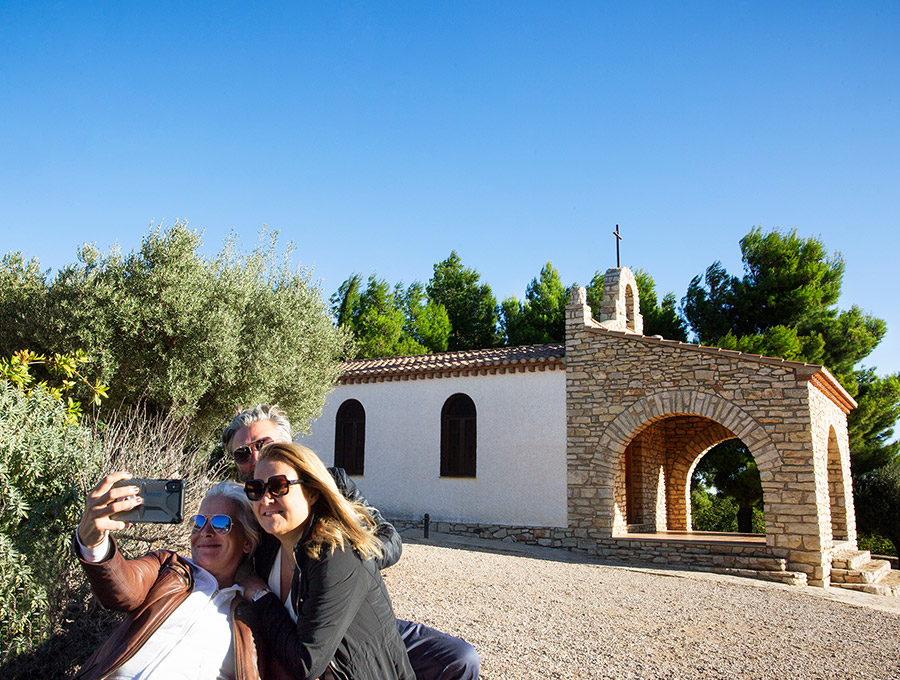
Dedicated to Sant Antoni Abad, this well-kept and much-loved chapel is located in the square it is named after. An interesting fact: the festivity of Sant Antoni was moved from January to July because the weather was better for the religious celebration.
Mas de Roures Chapel
Dedicated to Sant Antoni Abad, it was built in 2010. It is interesting to note the altar cloths, which were made entirely by hand.
Mas d’Alentao Chapel
The small chapel is located in the farmhouse grounds with its façade opening onto Plaça l’Ermita square. It is cubic in appearance with pyramidal roof tiles, a weathervane, a stepped cornice, and a metal arch with a bell and a cross as the belfry.
Mas de Seno Chapel
Mas de Toribio Chapel
Sant Antoni Chapel (La Pelejaneta)
The construction of this chapel dates back to the beginning of the 20th century. The building and its facilities are well-preserved. It is a small church with a polygonal chevet built of masonry that has been plastered and whitewashed, except for the façade, where the stone has been left exposed. The doorway has a pointed arch with an archivolt topped with an ornament alluding to Corpus Christi.
FORMER SCHOOLS
Montalba Schools
The school in this district was set up by a Ministerial Order on 28 February 1933. Its first teacher was Miguel Ambrosio Zaragozá, who took up the position in March 1933.
La Barona Schools
La Barona school was set up in 1934 by Ministerial Order. The first teacher was Agripina García García and she took up the position on 13 March 1934.
Mas de Toribio School
Mas de Toribio School was created by Ministerial Order on 20 December 1945 and classes began in this village in 1951. In 1955, Mas de Toribio had 71 inhabitants. Before this school there was an older one in the Mas de Vaneta area.
La Pelejana Schools
The mixed school of La Pelejana was set up by Ministerial Order in February 1933. The first teacher was Vicente Faz Romero and he took up his position on 8 March 1933.
MONUMENTS
Bullring
It opened in 2002. It is a modern, welcoming bullring in which bullfighters of the stature of Enrique Ponce and El Juli have fought.
The Farm Woman
A tribute to country women by the artist Santiago Soro. We see her proudly dressed in traditional clothes and carrying agricultural tools.
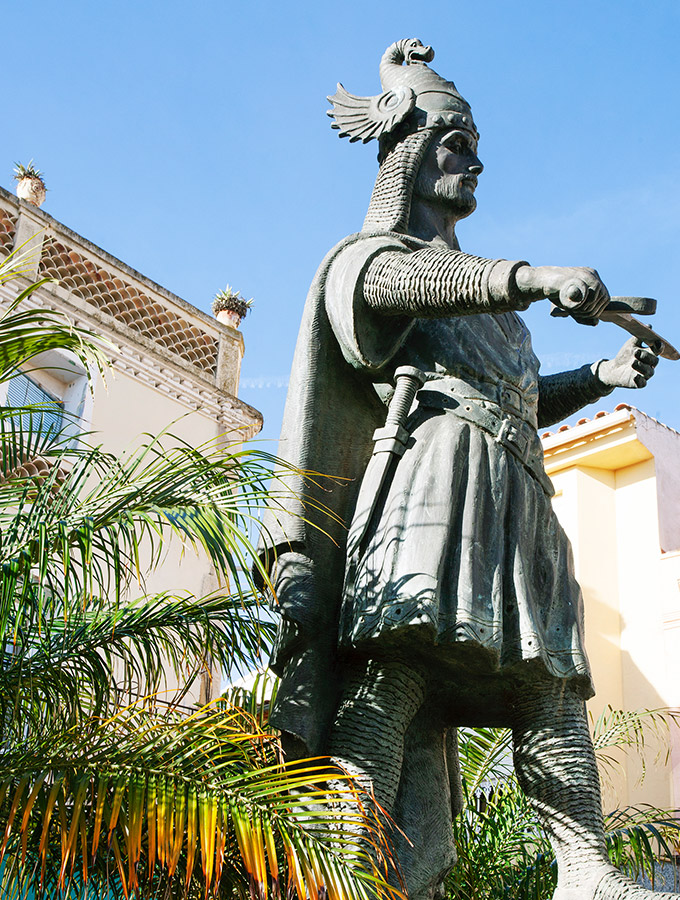
Sculpture of Jaume I
In Plaça de la Constitución square, this sculpture welcomes you to the historical centre of the town.
Snail fountain
A work of great interest by the artist Joan Ripollés. It can be found right next to the Ethnological Museum in a pleasant setting that invites visitors to relax.
Education sculpture
A tribute to the schoolchildren of the world by the artist Joan Ripollés. Inaugurated in 2002.
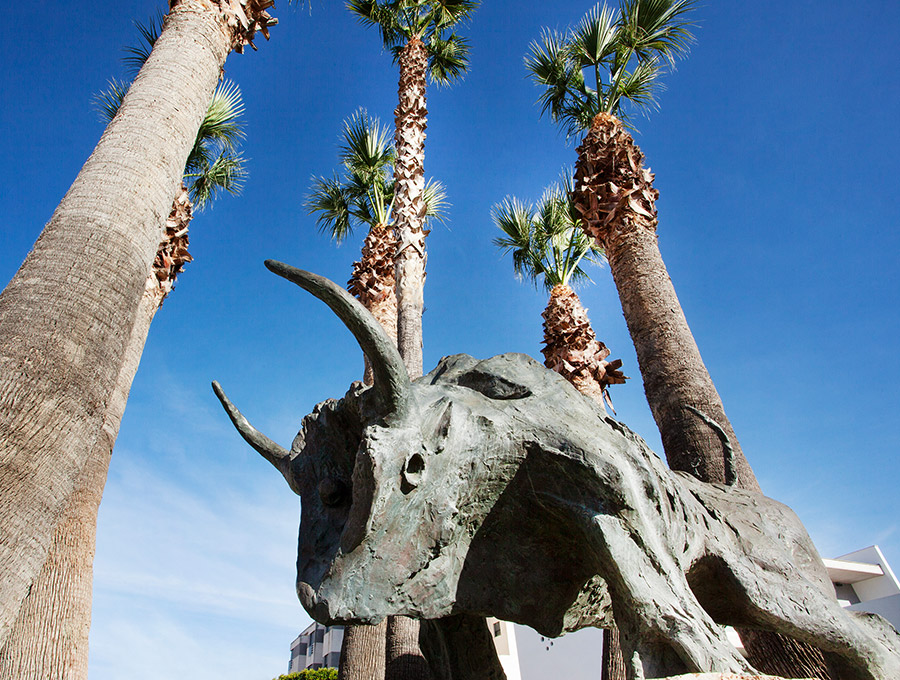
Bronze Bull of Vall d’Alba
A symbol of the town, made in bronze by the artist Joan Ripollés, it presides over Avinguda Vilafranca. This work by Ripollés has become an icon of Vall d’Alba due to its avant-garde forms. The monument has spectacular dimensions: 123 x 300 x 137 cm and weighing 600 kg.
Fountain and old mill wheels
In classical style, this romantic fountain is surrounded by a modern urban garden, next to an old mill, which welcomes visitors to our town.
Old mill wheels (La Barona)
These were recently installed to showcase the village’s great olive-growing tradition.
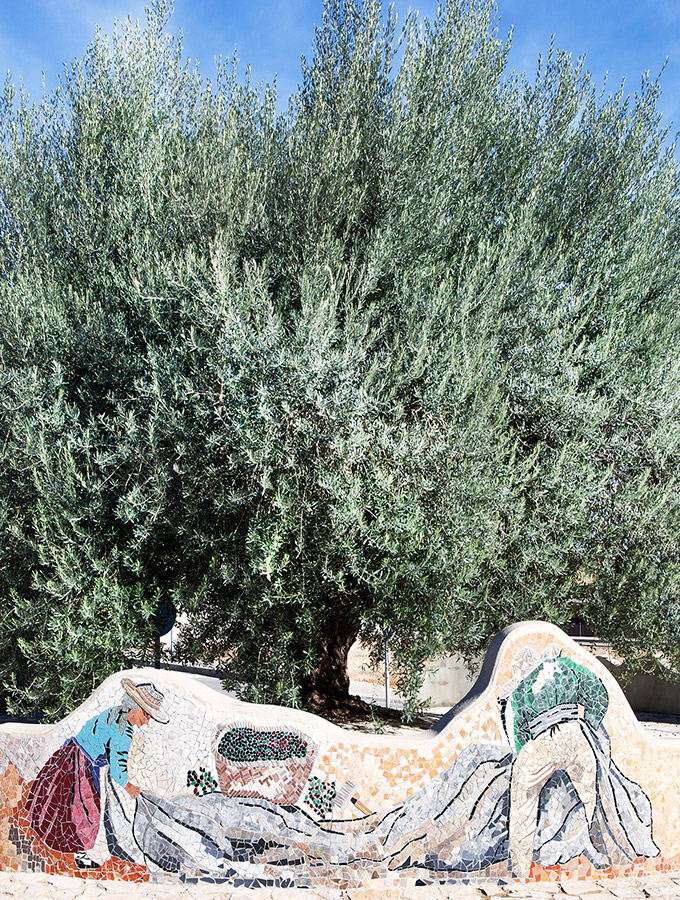
Ceramic broken tile mosaic
A well-deserved tribute to the men and women who worked the olive groves, our beloved liquid gold. It has a beautiful, multi-coloured mural illustrating how olives were harvested, with hand-cut ceramic parts.
Ceramic mural
The square’s paving contains a ceramic mural with old images of the town using digital decoration techniques.
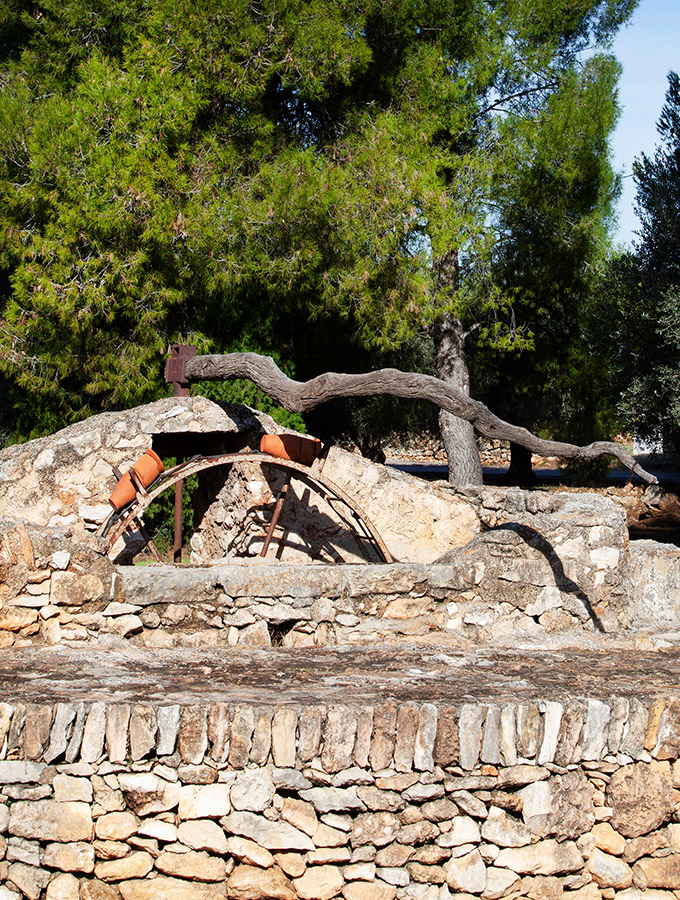
La Sènia del Rosso
In the past, water from the sènia well was used for agricultural and domestic purposes to raise water and irrigate the land. It was restored in 2017 by the City Council and is included in the new “Ruta de les Sènies” trail.
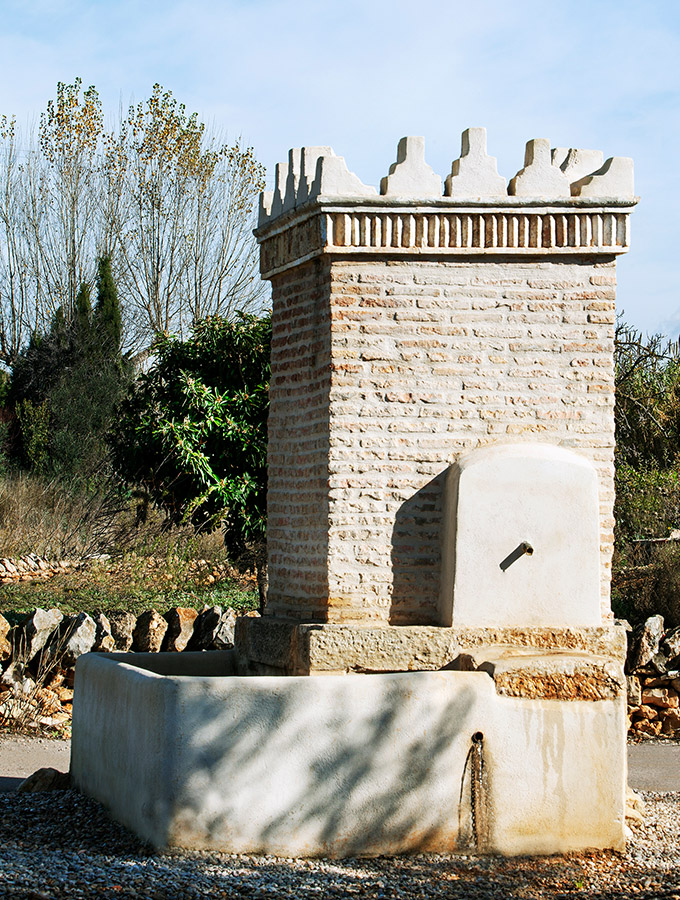
“La Senieta” Well
This well holds the love secrets of several generations of people from Vall d’Alba. It is said that, even today, this landscape alters the senses and gives free rein to passion. In former times, the elders tell us that young maidens, the mossas, used to arrive with their pitcher under their arms, cheerfully walking along the difficult path to the spring, with the shy desire to find something more than just water. Of their trysts with the beaus at the well at dusk, we know nothing more than the young men’s flushed cheeks on their return.
COUNTRYSIDE SPOTS
Pou de Beca
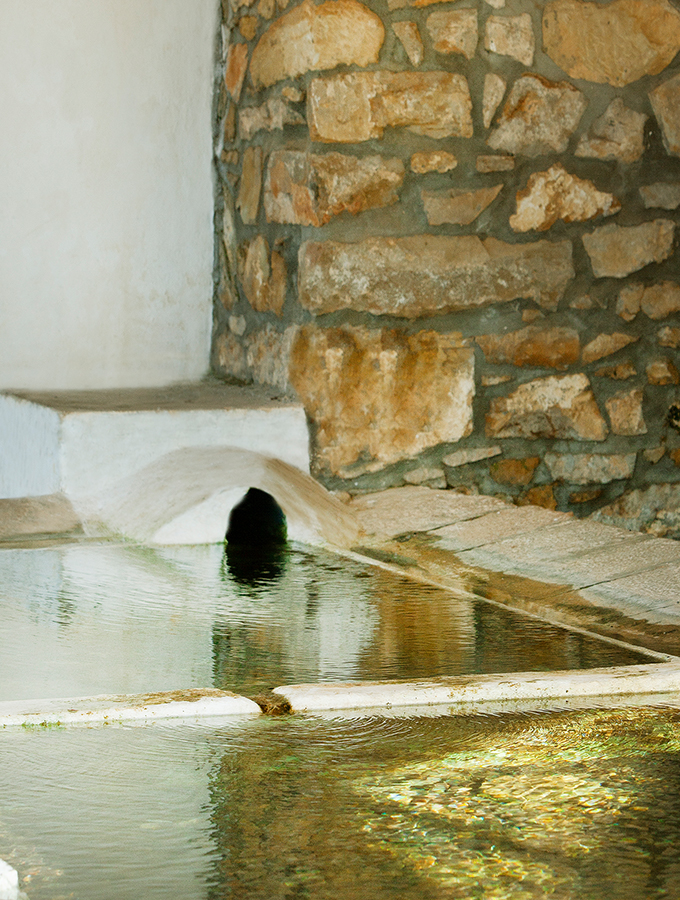
In the Pou de Beca area there is an exceptional recreational area located between mountains with great natural charm. Nature in its purest state with a fountain and washing places. Two constructions of great beauty that give the landscape a profound traditional feel.
Pou del Malvestit (Montalba)
Beneath a beautiful grove of trees there are wide benches and you can see the well. For local residents and visitors to spend a day in contact with nature. There is a children’s play area in front of the famous “La Masía” restaurant.
Juncosa (Pla de l’Arc)
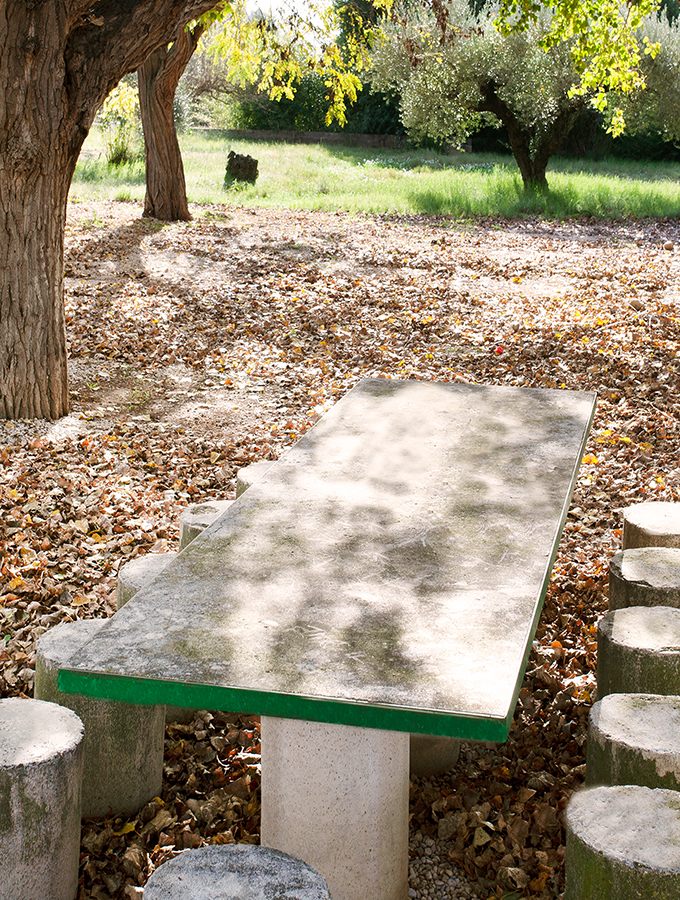
An idyllic area where you can enjoy nature in one of the most beautiful countryside spots in our area. There are picnic tables, as well as the well and an important cistern can also be seen nearby. In the past it was an area where cattle passed through and rested, which made it quite important not so many years ago.
Pou Ample
A perfect recreational area to spend a festive day with friends or family. A beautiful wooded area named after the nearby well of Arab origin, which was sanitised and protected for domestic and agricultural use a few years ago. The area is equipped with barbecue facilities and a large picnic area. This is where the “Ruta de Les Sènies” trail begins.
OTHERS
Sakya Tashi Ling Buddhist Monastery
The STL Buddhist Monastery has the first and only stupa in the Valencian Community. The programme of activities on offer is very diverse with relaxation workshops, meditation programmes and a course of Buddhist philosophical studies, all within the framework of the Sakya Tashi Ling Institute of Buddhist Monks.
Vall d’Alba Ethnological Museum
A museum that offers a clear memory of a sample of features from traditional agrarian society, arranged in 9 rooms where the main milestones in the history of Vall d’Alba are grouped together. Several domestic environments are represented (living-dining room, kitchen, bedrooms) and various thematic spaces are dedicated to the main production activities (olive oil, wine, bread and textiles).